Annu Gopal
Senior Product Manager · Staff, Principal & Senior PM roles · New York, 2027

I like the problems that don't come with instructions.

I'm a commercially minded product manager. I work out what's really going on, make the hard call, and build things that are good for customers and good for the business. Seven years in product, ten in business. Next stop: New York.

← also: will bring dessert
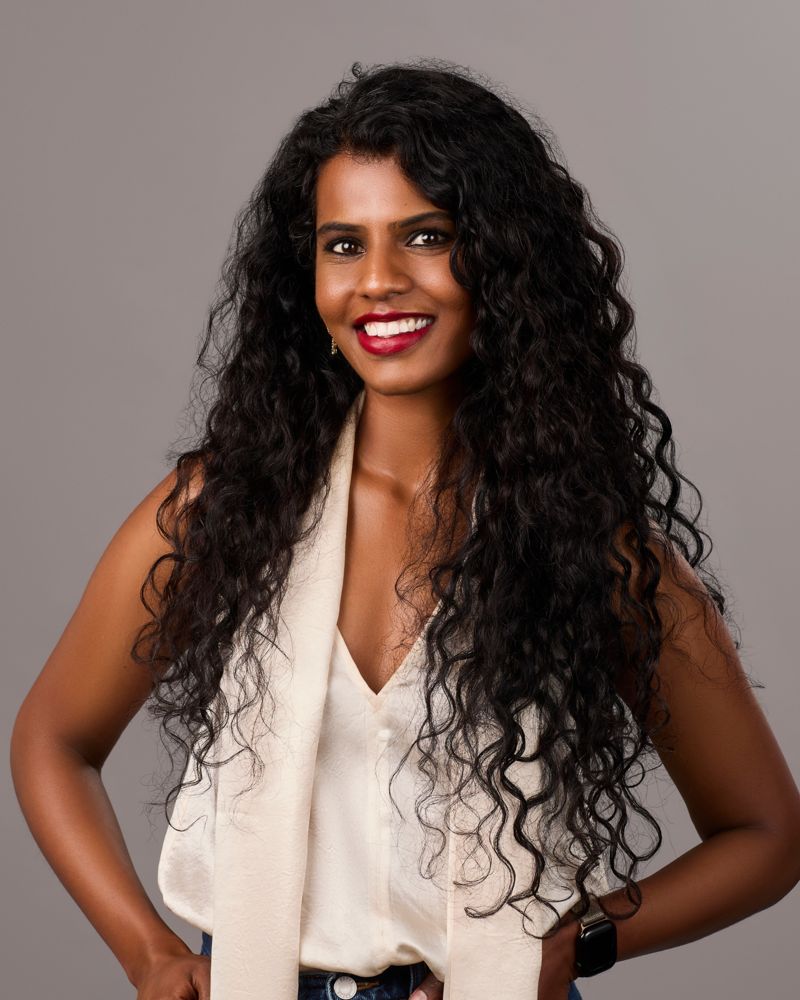
Annu Gopal, smiling, hands on hips

Start with a story

The short version

Ten years, one habit.

I started in banking, did an MBA, tried consulting, and found my way into product. I've spent the last seven years across growth, marketplaces and AI.

The common thread is ambiguity. I'm happiest when a problem is fuzzy, the stakes are commercial, and someone has to decide. I'll dig into the data, sit with customers and model the economics. Then I'll make a call I can explain to anyone, from an engineer to a CFO.

I'm comfortable holding two competing ideas at once. A test can win and still be wrong. The data can be right while customers are telling you something different. I don't rush to pick a side, because good product decisions usually come from working through that tension, not avoiding it.

Why hire me

Why I'm a good bet.

  1. I think like an owner.I look at the customer and the P&L together, and I've changed an operating model to make a service's economics work.
  2. I make the hard call, and explain it.I rolled back an AI experiment that improved conversion, because the outcome that mattered got worse.
  3. I'm at home in ambiguity.From a zero-to-one ML product to a partnership between two companies, I turn big, fuzzy ideas into focused products.
  4. I make complex things simple.Banking, consulting and product taught me to speak finance, engineering and customer. I translate between them.
Case studies

The thinking behind the outcomes.

Four problems, told the way they happened: what wasn't working, the decisions I made, what went wrong along the way, and what I'd tell the next person.

01A global creative services marketplace

How do you scale a service when every new order adds to your losses?

The short answer: change who does the work. Moving design fulfilment to a freelancer marketplace cut loss per design by 77% and decoupled growth from fixed headcount.

The problem

Every design cost more to make than customers paid, and our in-house team couldn't flex with seasonal demand. Growing meant losing more money and hiring more people.

BEFORE AFTER Orders In-house teamfixed capacity Cost grows with every order Orders Freelancer marketflexible supply In-housefallback Supply flexes with demand ROLLOUT Narrow pilot Expand Expand again Most orders
Conceptual diagram · the operating model, before and after
Read the full story
The decisions
  • Fix the economics before chasing growth. Selling more would only have grown the losses.
  • Make it work for everyone. Designers needed the pay to be worth their time, customers needed the same quality, and the business needed customers to keep buying.
  • Start narrow. One simple product, one market, a few hand-picked designers, and the first jobs reviewed by hand.
What happened

The pilot exposed a gap: if a designer dropped a job, there was no way to reassign it. We fixed that before scaling. As we expanded in stages, we also learned the pay worked for simple designs but not complex ones, which led to pricing by complexity.

The results
  • Better unit economics: loss per design down 77%.
  • Growth without headcount: most demand served by freelancers, so growth was no longer tied to fixed headcount.
Who I worked with

Marketplace operations, design operations, support, customer experience, engineering, product, and other teams across the domain.

Proving marketplace economics for one category doesn't prove them for the whole marketplace.

02A large consumer commerce platform

We needed to grow. Most customers didn't know we existed.

The short answer: fix discovery before conversion. One well-placed entry point grew traffic 2,000%, and orders rose 50%. A better brief then roughly doubled completion.

The situation

A creative design service sat inside a large commerce experience, but customers rarely came across it.

What wasn't working

Only a very small share of visitors ever reached the service. Improving the funnel alone would barely move the total.

THE FUNNEL (NOT TO SCALE) All site visitors Found the serviceThe real constraint · fix 1: show it at the right shopping moments Started a brief Completed the briefFix 2: a clearer multi-step brief, ~6% → ~13% Fix the constraint upstream first, then the step that leaks.
Conceptual diagram · where the constraint really was
Read the full story
The decisions
  • I treated discoverability as the upstream constraint, ahead of conversion.
  • I looked for moments in the shopping journey where the service was genuinely relevant.
  • Those pages belonged to other teams. I negotiated experiments with shared metrics and guardrails, so testing was a yes for both sides.
What happened

The placements we tested grew visibility and orders. Next, I turned to the brief customers filled in before a designer started.

Our first redesign tested well with users but lost in the live test. Instead of shipping it, we asked why. We had removed the moment when people check their answers and feel confident before paying. We added a review step and clearer pricing, and tested again.

The results

Traffic grew 2,000% from one tested placement, and order volume grew 50%. Brief completion then rose from about 6% to about 13%. Several changes went in together, so no single one gets the credit.

Skills this used

Funnel diagnosis, experimentation, cross-team influence, customer research.

Removing friction isn't always removing steps. Sometimes one more step gives people the confidence to go ahead.

03An AI-assisted creative service read this one if you only read one

Our AI experiment improved conversion. So why did we roll it back?

The short answer: judge AI on the outcome, not the step it changes. More people finished the brief, but the results that mattered got worse. So we rolled it back and rethought it.

The situation

Before a designer could start, customers had to write a creative brief, which took time, thought and effort. As one put it: "If I could only write like I could talk." We introduced an AI-assisted experience to reduce that friction.

What wasn't working

More customers completed the brief. But further down the journey, the outcomes the service existed for got worse.

HYPOTHESISAI pre-fill makes the brief easier LOCAL METRICBrief completion went up▲ GUARDRAILDownstream outcomes went down▼ Decision: roll it back LEARNINGPeople wanted to make the creative calls NEW DIRECTION (EXPLORED)Ask clarifying questions, don't assume
Conceptual diagram · from hypothesis to learning
Read the full story
The decisions
  • Judge the experiment on the outcome the service exists for, not the step it changed.
  • When the local win and the downstream result disagreed, roll it back rather than keep the better-looking number.
  • Find out why before trying again.
What happened

We reviewed sessions and spoke to customers who had finished the brief but didn't go on. Some had completed it in a minute or two with barely any edits. They told us they still wanted to decide the colour, style and direction themselves.

The AI hadn't necessarily been wrong. It had taken away decisions people wanted to make, so the brief was easy to finish without reflecting what they actually wanted.

The results

We rolled the experience back. We then explored a different direction: a conversation that asks clarifying questions, the way a good designer would, rather than automating the creative work.

Skills this used

AI product judgement, guardrail metrics, customer research, intellectual honesty.

A model can produce a technically acceptable output while the product still fails. The job was shared understanding, not a faster form.

04Enterprise construction intelligence software

A mountain of construction data. An ambitious AI vision. Where do you start?

The short answer: start narrow. One clear problem (schedule delay), one clear user and early access turned a broad AI vision into a focused first product.

The situation

A new machine learning product was meant to help construction teams spot project risks before they turned into problems.

What wasn't working

The vision was broad. The data, customer workflows and realistic chances for prediction varied a lot from one company to the next.

DECISIONCONSIDEREDCHOSE Where to start Broad project risk Schedule delay Who to build for Specialist schedulers Project leaders When to launch Wait for full vision Early access
Conceptual diagram · three decisions that shaped the first product
Read the full story
The decisions
  • Where to start: schedule delay, because schedule data was standardised and had historical outcomes to learn from. Broader risk was exciting, but every company recorded it differently.
  • Who for: project leaders who needed visibility across projects, before specialist schedulers who needed far deeper tools.
  • When: early access, rather than months of discussing a product customers couldn't use yet.
What happened

I turned an expansive AI vision into a focused first product, working with data science, engineering, UX and sales. A probability of delay isn't useful unless people can see what's driving it, so we focused on making predictions understandable.

The results

The product launched with early customers. I supported customer conversations and trained Sales to explain probabilistic predictions honestly, limits included.

Skills this used

Zero-to-one discovery, ML product strategy, narrowing ambiguity, go-to-market.

Building an ML product isn't just about whether the model works. It's choosing the right first problem and the right first user.

What I'm working on now
Ongoing

Making commerce work across platforms.

At Vistaprint, I lead product for our partnership with Canva. People design in Canva and order high-quality print from our global manufacturing network.

The work is moving from a single integration to the foundations of a partnership that can scale across products, countries and customers, without the operational complexity scaling with it.

One integration
→
Scalable foundations
What the role covers
Commercial & product strategyCatalogue scalabilityInternational commercePartner integrationsProduct discovery & configurationOperational complexityCross-functional executionProof of concept to scale

This work is in progress. I only share what's public.

Path

From banking to building.

  1. 2026 – now
    Senior PM, Print PartnershipsVistaprint / Cimpress
  2. 2022 – 2026
    Senior PM, Design Services Growth & MarketplacesVistaprint / Cimpress
  3. 2021 – 2022
    Product Manager, DataVistaprint
  4. 2019 – 2021
    Product ManagerOracle
  5. 2019
    RPA ConsultantInnovior
  6. 2017 – 2018
    ConsultantHendry Group
  7. 2016 – 2017
    MBAMelbourne Business School
  8. 2014 – 2016
    Relationship ManagerCitibank
How I think

Six things I believe about building products.

Measure the outcome, not the step.

A metric going up means nothing if the thing it feeds goes down. I set the guardrails before the test, not after.

Hold two competing ideas at once.

Move fast and protect quality. Trust the data and question it. I can keep both in my head, and act, without forcing a false choice too early.

Start small enough to learn.

One product, one market, the first jobs reviewed by hand. Prove the idea before you automate it.

Fix the model, not just the screen.

Some of my biggest wins came from changing how a service runs, not how it looks.

Make it make sense.

If I can't explain a decision to an engineer, a salesperson and a CFO in the same meeting, I don't understand it well enough yet.

Make trade-offs visible.

Influence isn't winning arguments. It's laying out the cost of each option and getting the decision made at the right level.

Product thoughts

Things I can't stop thinking about.

I notice products everywhere. These are sketches, not proposals.

Sketch · for readers

Goodreads, but for choosing what to read next.

I find books much faster than I can read them. My Want to Read list keeps growing, but it never helps me pick the next one.

What if the product helped me prioritise instead of just collect, with a little help from the friends whose taste I trust most?

Sketch · maybe a side project

An Australian coffee map, anywhere in the world.

Good coffee is the first thing I look for in a new city. Australian-owned cafés are a reliable bet, and they're everywhere if you know where to look.

A simple map of them, wherever you're travelling, would combine three things I love: coffee, travel and finding new places.

On my home screenSpotifyfor discoveryGoodreadsAllTrailsGoogle Maps
Beyond the roadmap

Hobby collector. Serial beginner. Always curious.

I like being new at things. Here's some of what I get up to when I'm not at work.

Annu mid-jump on a mountain trail above a turquoise lake
Top of the climbSome views deserve a jump.
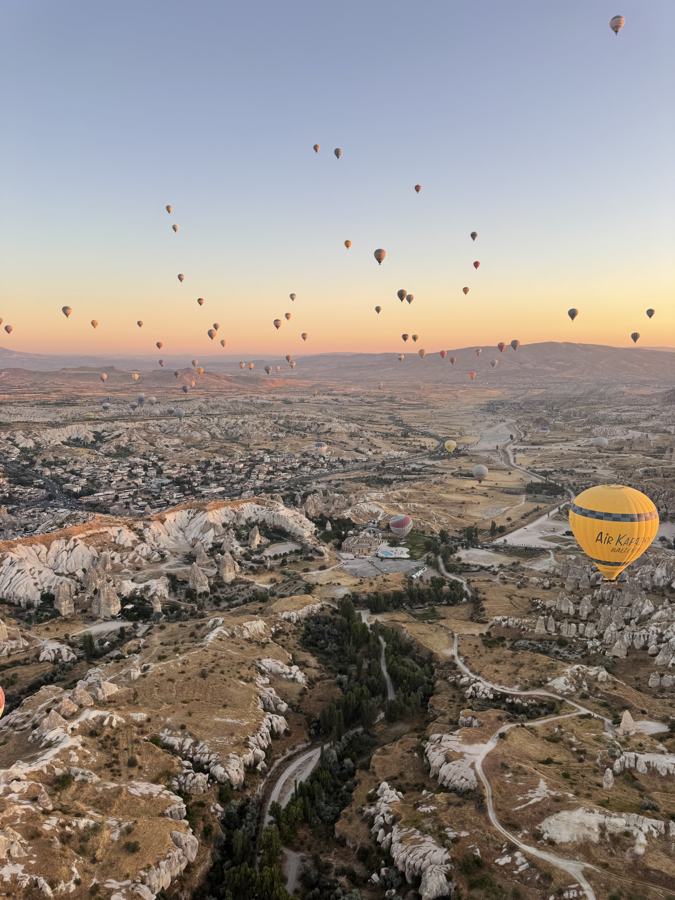
Dozens of hot air balloons over the rock valleys of Cappadocia at sunrise.
Cappadocia, TurkeyUp before sunrise for this. Worth it.
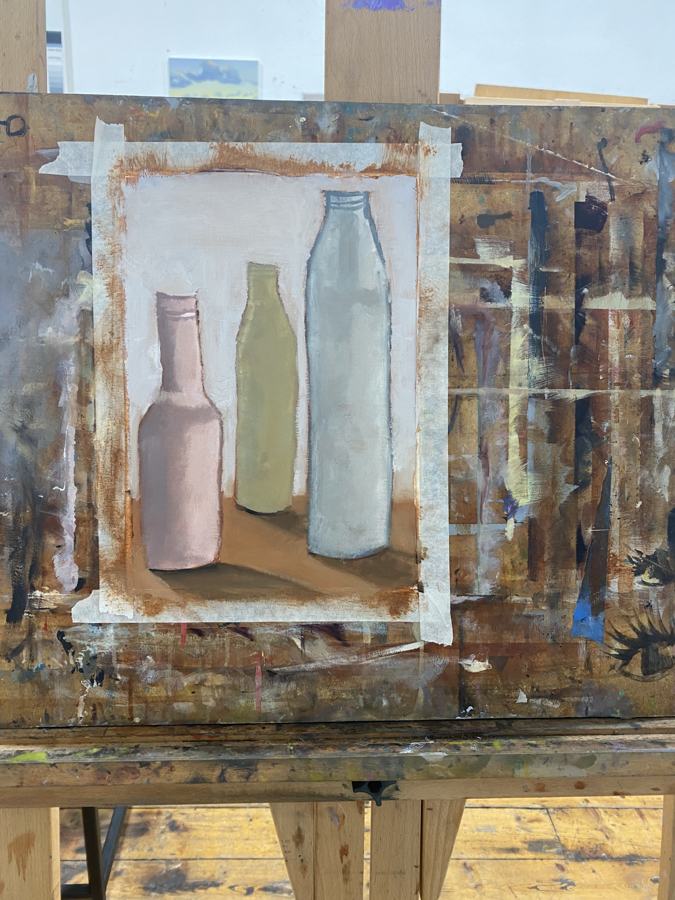
Oil painting of three bottles on an easel
In the studioLearning to oil paint, one still life at a time.
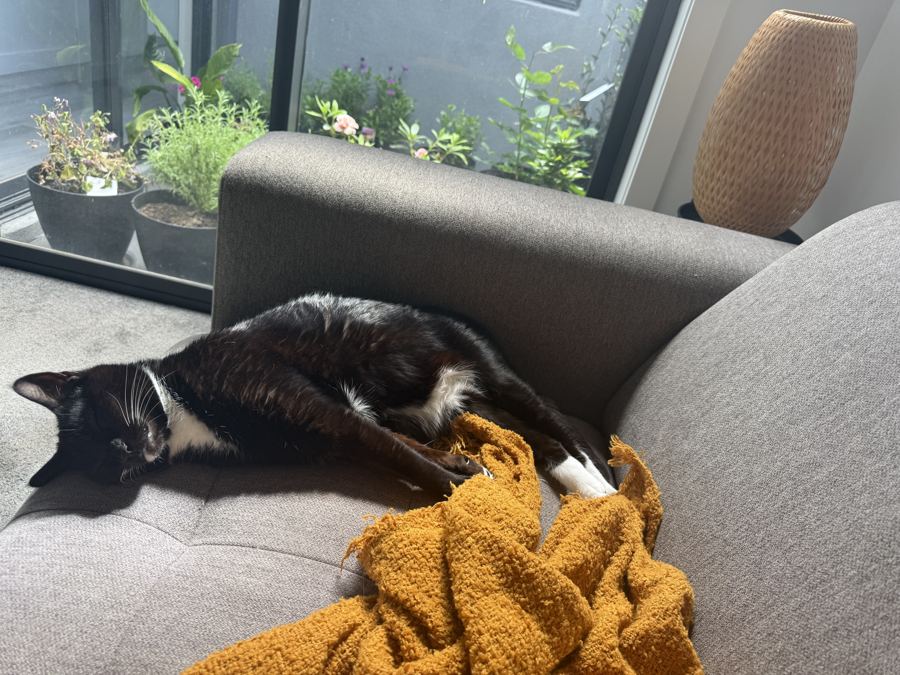
Leela, a black and white tuxedo cat, stretched out asleep on a grey sofa with a mustard throw.
LeelaHead of quality control. Currently off duty.
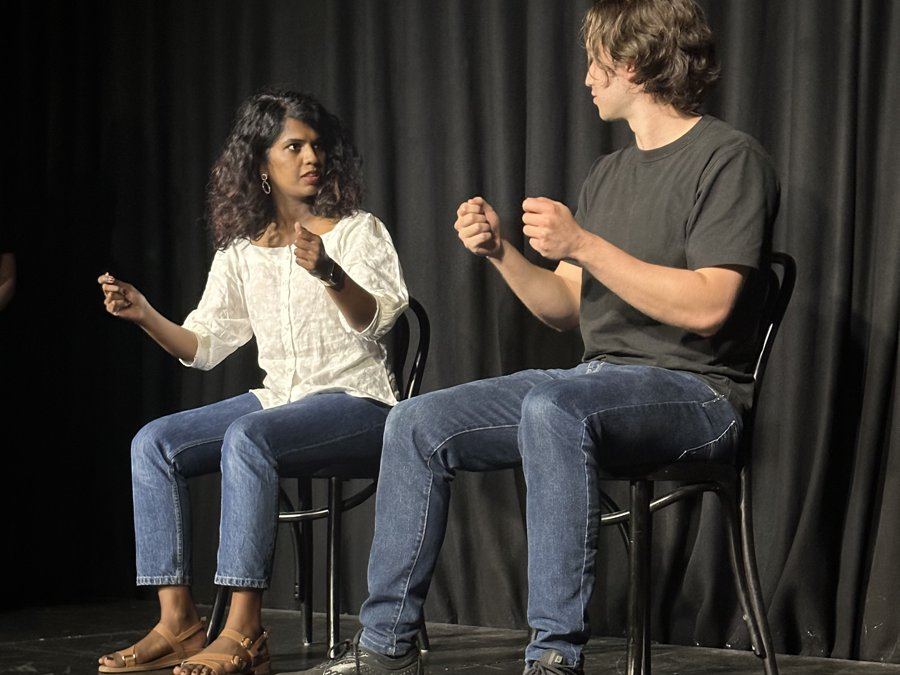
Annu performing improv on stage with a scene partner
Improv nightGreat training for listening. Definitely not a career in comedy.
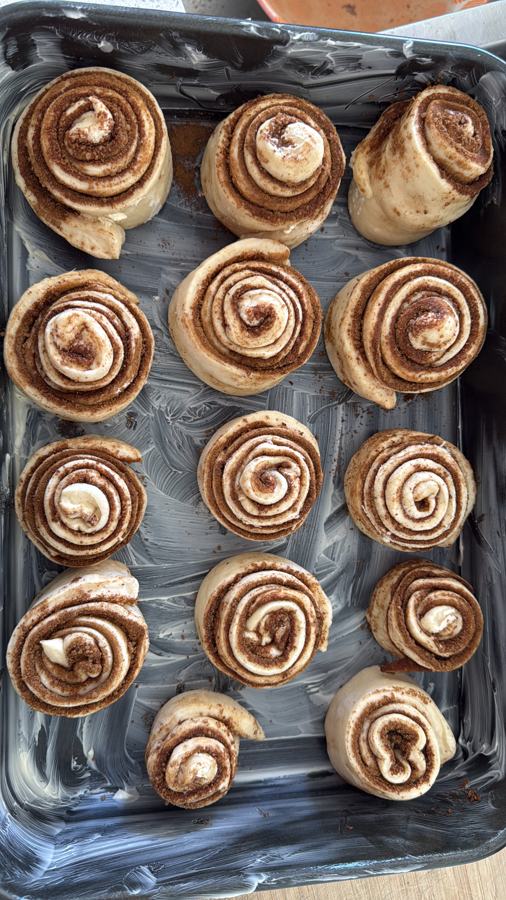
A tray of homemade cinnamon scrolls, rolled and ready for the oven
Cinnamon scrolls, pre-ovenCooking for people is my favourite way to host.

From the easel: studies, not masterpieces

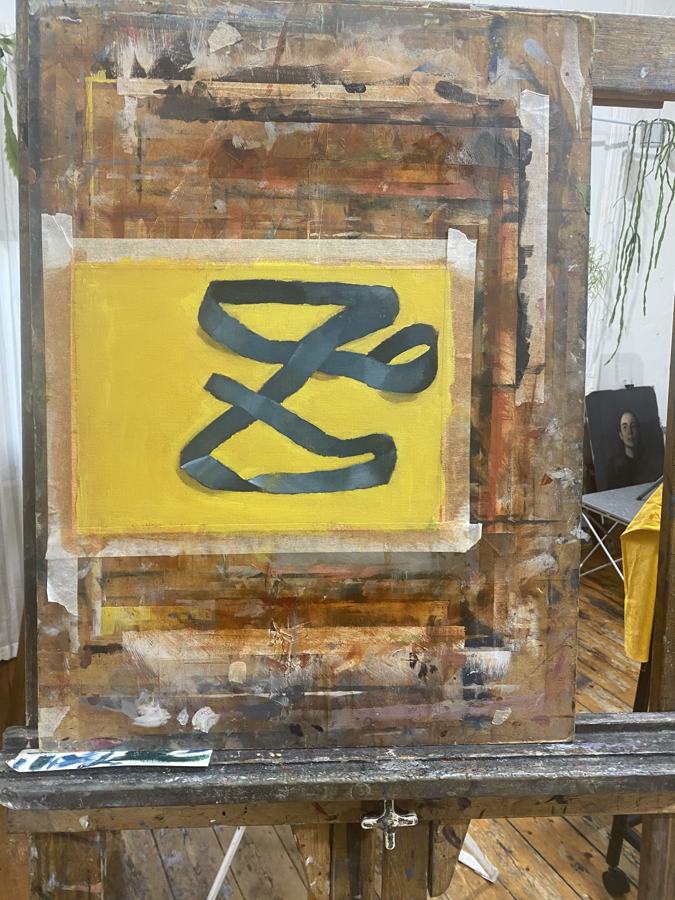
Oil painting of a dark ribbon on a yellow ground
Ribbon on yellowLearning edges.
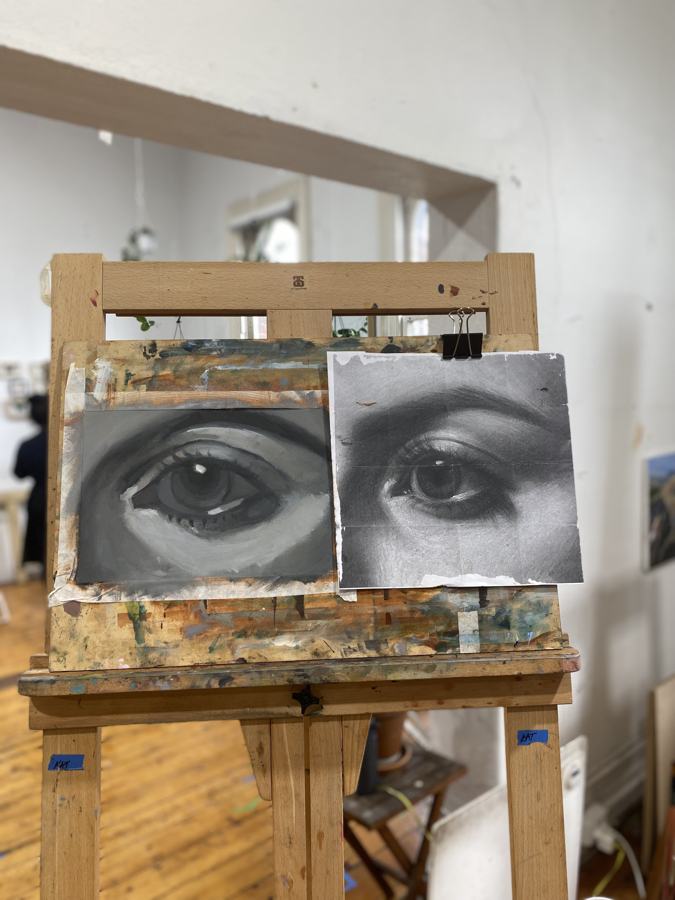
Charcoal-grey eye study beside its reference
Eye studyLearning to look.
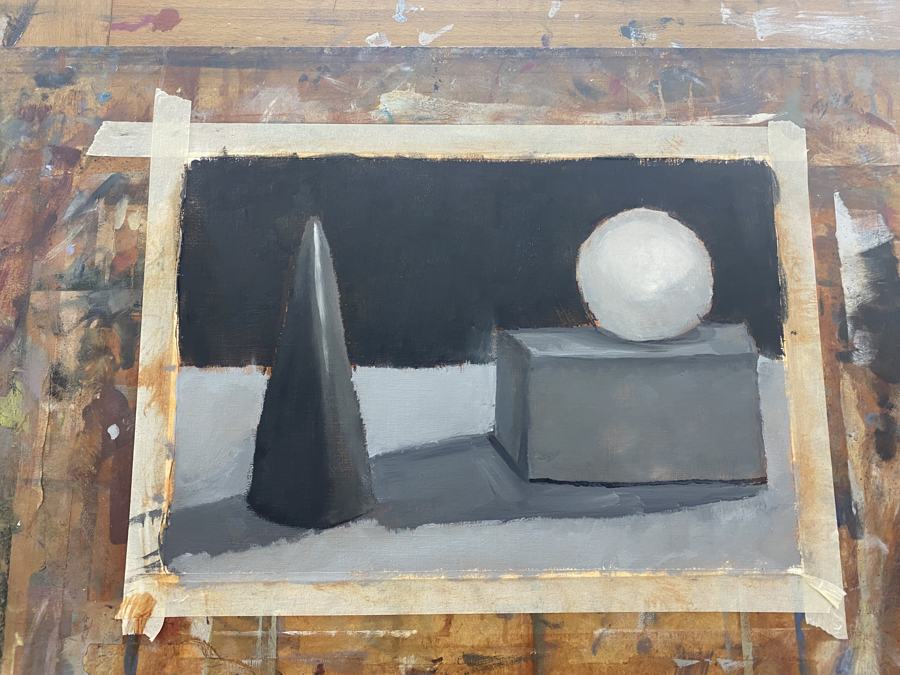
Greyscale oil study of a cone, sphere and box
Cone, sphere, boxWhere everyone starts.
Istanbul at dusk, looking over the Golden Horn to the mosques on the skyline.
Istanbul at duskThe Golden Horn from above.
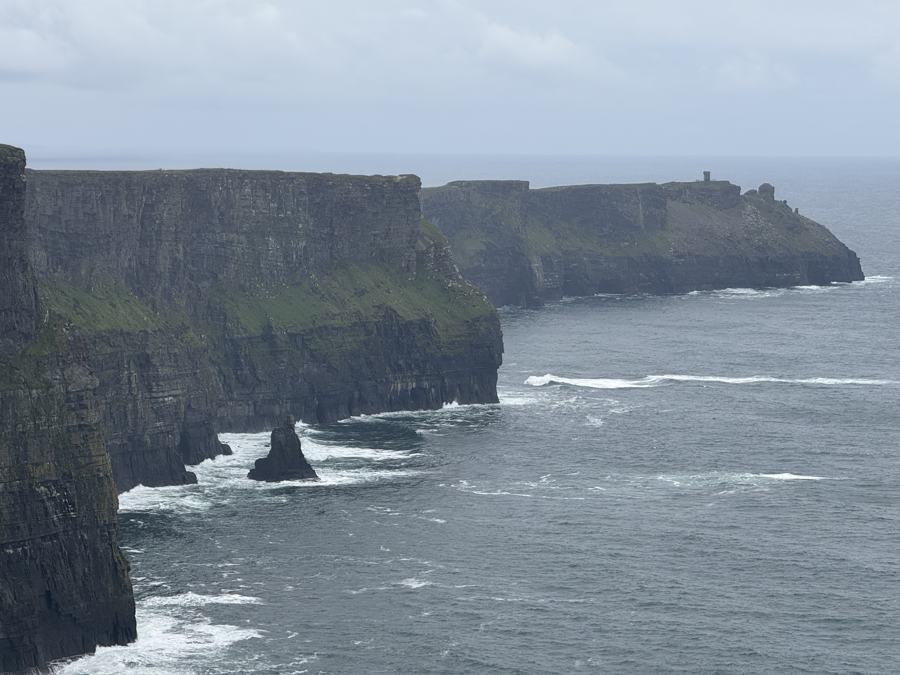
The Cliffs of Moher dropping into a grey Atlantic sea.
Cliffs of Moher, IrelandWindy, wet and wonderful.
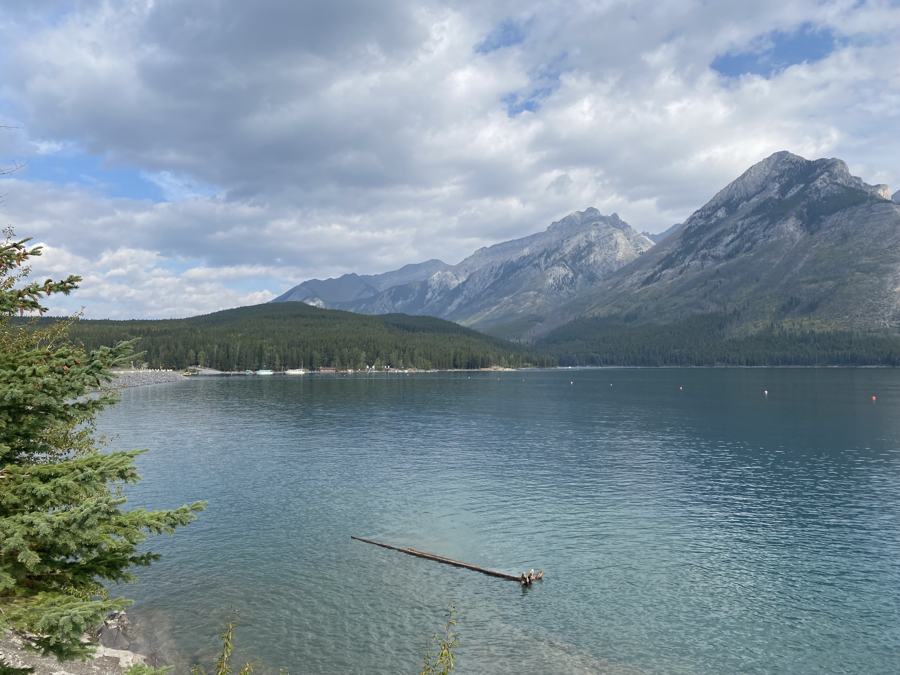
A calm mountain lake near Banff with a floating log
Near Banff, CanadaStill water, big sky.
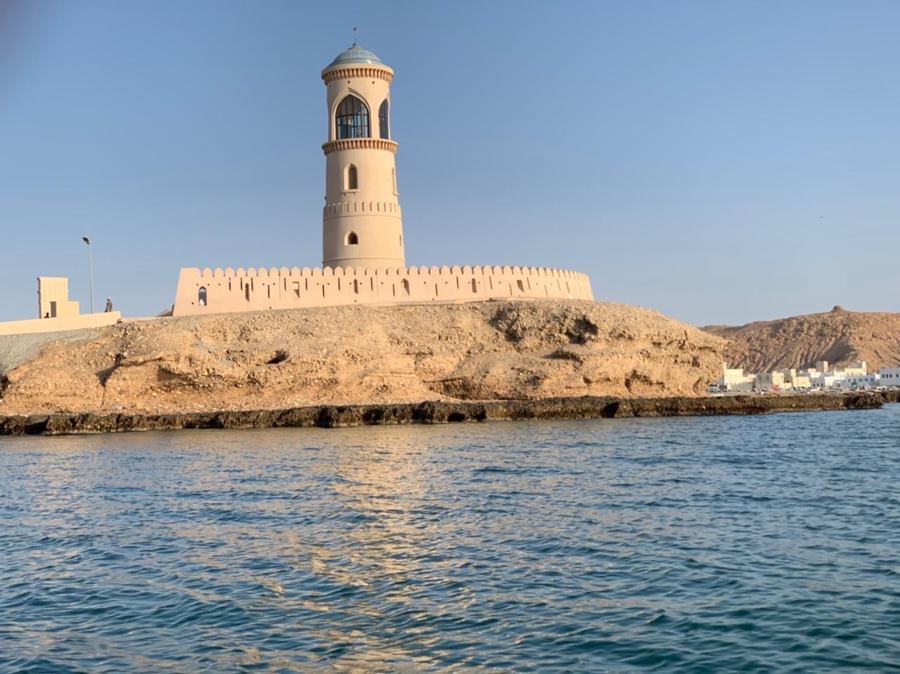
A sandstone lighthouse on a rocky point by the sea in Oman
Oman, where I grew upGolden hour on the coast of home.

Running

My favourite thing to do.

  • DoneRun Melbourne Half Marathon
  • DoneRun Melbourne 10K
  • DoneSurf Coast Century, relay
  • DoneMelbourne Zoo run
  • NextNew York City Marathon

Travel

Places I've loved getting lost in:

EgyptSri LankaTurkeyUnited StatesNew ZealandThailandBaliIrelandCanadaOman

Things I've tried

Improv comedy, oil painting, pottery, cooking and baking, and always a book on the go. I'm a beginner at most of them, and I like it that way.

The bookshelf

Books I'd lend you.

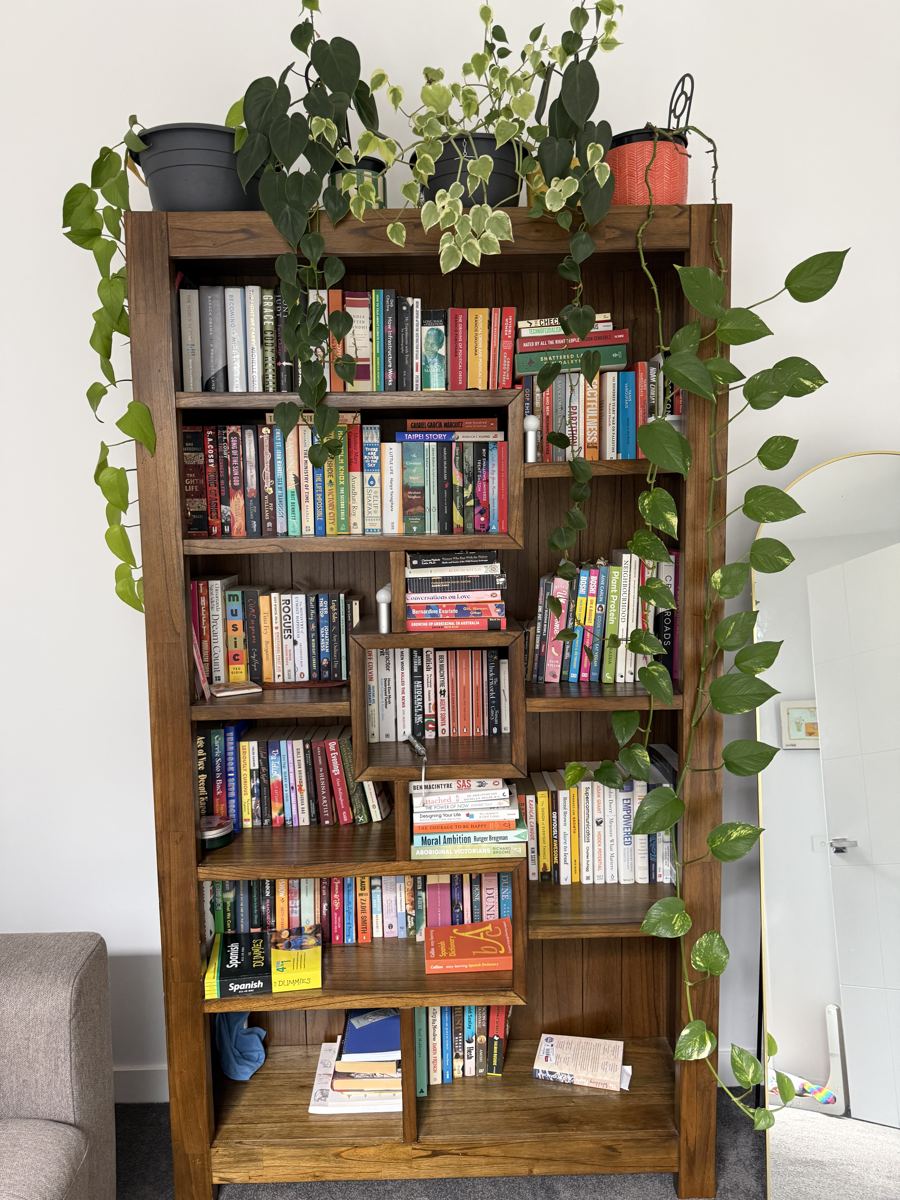
This is the real shelf, with a few plants taking over. Below are three to start with. Tap a book to see what it's about.

ask me about the spy ones
Annu's wooden bookshelf, packed with fiction, history and nonfiction, with trailing pothos plants draped over the top and sides.
My actual bookshelf. The plants are winning.
What I'm looking for

Staff, Principal or Senior PM. In New York.

A real business problem

A product where growth depends on getting the customer and the economics right at the same time.

Room to own it

Setting product direction end to end, and building the team and operating model to deliver it.

New York, early 2027

I'm relocating to New York City in early 2027, and happy to start conversations now.

Work rightsAustralian citizen, eligible for the E-3 visa. No lottery, and usually quick to arrange.